Upcoming Group Classes
in Smyrna, TN

THEATRE LAB
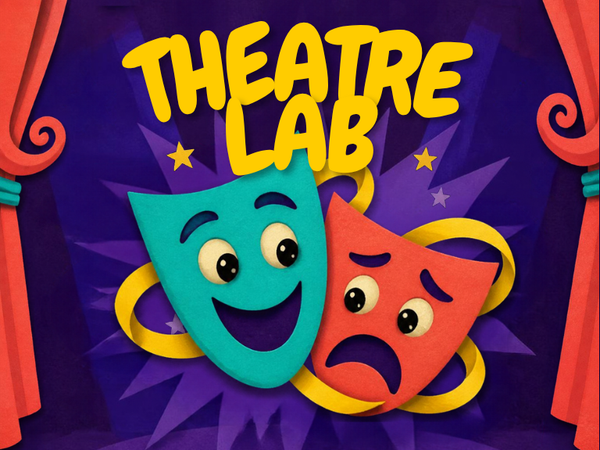
Group Theatre Classes Ages 8-15
Carpe Artista Proudly Presents our newest Group Class!
Starts October 27, runs 7 weeks
Create, Perform, and Shine!
Step into the spotlight in this exciting musical theatre revue class where students become creators, performers, and storytellers! Working together with the instructor, students will help develop an original story while exploring monologues, acting scenes, dance, and musical performances.
Along the way, students will build confidence, strengthen their creativity, overcome stage fright, analyze music, and even write their own scenes and scripts. Whether your child dreams of performing on stage, wants to become a writer, or simply loves theatre, dance, or music, this class offers something for everyone. Beginners and experienced performers alike are welcome!
Each week is packed with interactive theatre games, creative challenges, movement activities, and plenty of opportunities to make new friends while having fun. Students will develop valuable communication and teamwork skills in a supportive and encouraging environment.
The class is led by Ryan, an experienced musical theatre educator with a degree in Musical Theatre from AMDA in New York City. Ryan brings professional experience as a performer, makeup artist, and instructor, creating an inspiring and welcoming space where every student can discover their unique talents.
Come join us for a fun-filled theatrical adventure where imagination takes center stage!
THEATRE LAB (ages 11-15) Meets Tuesdays from 5-6 pm
THEATRE LAB JR (ages 8-11) Meets Tuesdays from 4-4:45 pm
BEGINNING GROUP GUITAR
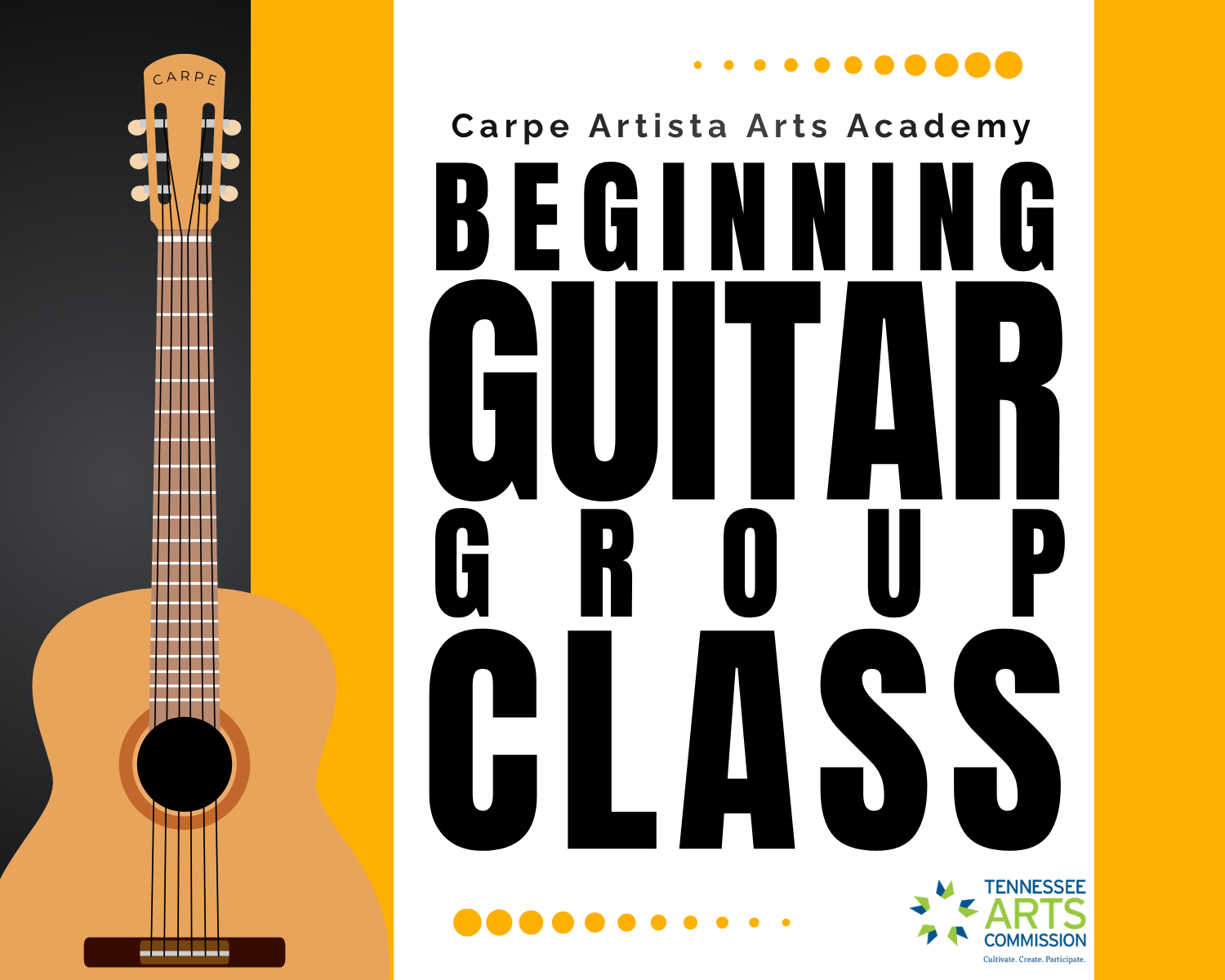
Beginning Guitar Group Class
Ages 7-18
Our next Group Guitar Class is now registering!
Wednesdays from 4:00-4:45 Oct 28-Dec 9
This 7 week class is designed to build strong foundational skills for guitar playing in a fun setting. Students will learn proper position, left and right hand placement, listening and playing together as a group. Rhythm, pitch, and note reading skills will be developed. A guitar is required for the first class. Rental guitars are available on a first come, first served basis. Contact us for details.
GROUP ART CLASS
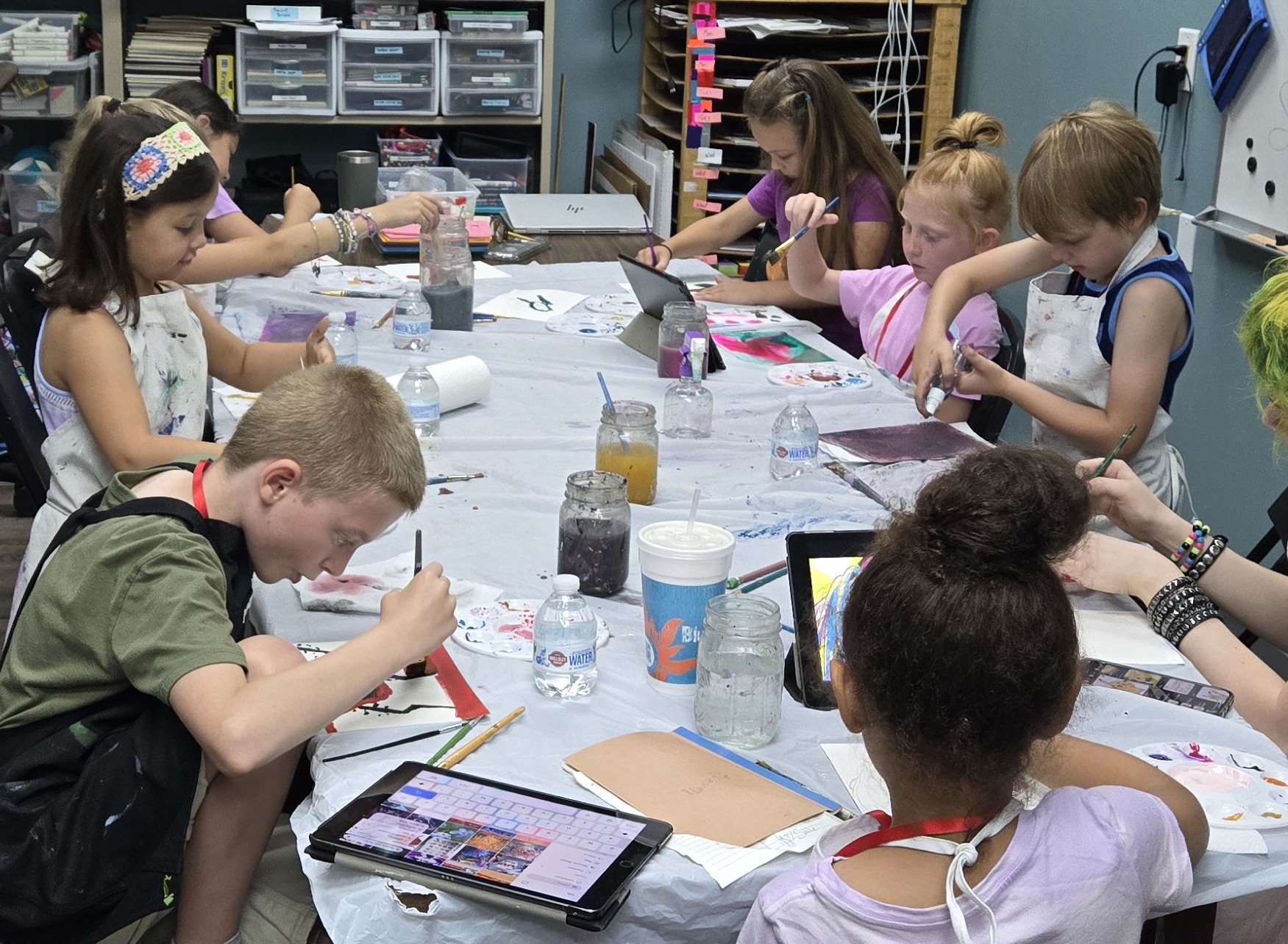
Group Art Class Ages 6-15
Our Group Art Classes are now registering!
Mondays & Tuesdays from 4-5 pm Oct 26-27 to Dec 7-8
Help your young artist reach the next level in expression and technique with our 7 week session of Group Art. Students can choose from a variety of media, from painting and drawing to mixed media and sculpture. All materials included. Buy a single visit for only $22!
Interested in other group classes? Contact us by email or call (615) 984-4038
BEST MUSIC INSTRUCTION
Benefits of Group Music Lessons
Most people realize the profound impact that music lessons have on a child’s development, showing improved cognition, executive function and self-esteem, but group lessons have a few added benefits as well:
Cognitive Development: A study published in Psychological Science found that music lessons can increase IQ levels in children. Those who received music lessons scored higher on IQ tests compared to those who did not receive such lessons.
Improved Language Skills: Research from the Journal of Neuroscience indicates that music training can enhance language development by improving the brain’s ability to process sounds. This benefit extends to better reading and verbal skills.
Academic Performance: According to a study by Dr. Frances Rauscher and Dr. Gordon Shaw at the University of California, children who received music instruction scored significantly higher in spatial-temporal reasoning, which is essential for math skills. The College Entrance Examination Board reports that students involved in music education scored an average of 100 points higher on the SAT compared to their peers who did not participate in music programs.
Social and Emotional Development: Research published in Frontiers in Psychology suggests that group music activities can enhance social cohesion and cooperation among children. These activities help develop teamwork and communication skills. A study from the University of Cambridge found that children who engage in group music activities show greater empathy towards others. This is attributed to the collaborative nature of music-making, which fosters an understanding of different perspectives.
Enhanced Self-Esteem: Participation in music education programs can boost self-esteem and confidence. Performing in front of others and mastering a new skill contributes to a sense of accomplishment and self-worth. Playing in a group setting has the added benefits of learning the importance of cooperation and listening, as well as fostering friendships and mutual respect.
Lifelong Cognitive Benefits: A study from Northwestern University shows that individuals who received musical training in their youth have better cognitive function in older age compared to those who did not receive such training. This suggests that music education can have lasting benefits on brain health.
SOURCES:
Schellenberg, E. G. (2004). Music lessons enhance IQ. Psychological Science, 15(8), 511-514.
Kraus, N., & Chandrasekaran, B. (2010). Music training for the development of auditory skills. Nature Reviews Neuroscience, 11(8), 599-605.
Rauscher, F. H., Shaw, G. L., & Ky, K. N. (1993). Music and spatial task performance. Nature, 365(6447), 611.
College Board (2010). College-bound seniors national report: Profile of SAT program test-takers.
Kirschner, S., & Tomasello, M. (2010). Joint music making promotes prosocial behavior in 4-year-old children. Evolution and Human Behavior, 31(5), 354-364.
Rabinowitch, T. C., Cross, I., & Burnard, P. (2013). Long-term musical group interaction has a positive influence on empathy in children. Psychology of Music, 41(4), 484-498.
Costa-Giomi, E. (2004). Effects of three years of piano instruction on children’s academic achievement, school performance and self-esteem.
Psychology of Music, 32(2), 139-152.
Hanna-Pladdy, B., & Mackay, A. (2011). The relation between instrumental musical activity and cognitive aging. Neuropsychology, 25(3), 378.
